Published work, shop talk, and stray thoughts.
Subscribe via RSS. (What’s that?)
Follow along on Bluesky, Mastodon, Threads, or LinkedIn.
You should also get my newsletters.
-
-
Let’s be honest about AI (Advisorator)
Why I haven’t written much about tools like ChatGPT.
-
Sport streaming’s too expensive, DirecTV’s skinny bundles (Cord Cutter Weekly)
It’s taken a couple years, but regional sports networks are starting to realize they charge too much to stream local games.
The post Sport streaming’s too expensive, DirecTV’s skinny bundles appeared first on Cord Cutter Weekly.
-
-
Last call for Kindle downloads (Advisorator)
Grab ’em before you can’t.
-
The iPhone 16e’s doesn’t have MagSafe—and that’s a problem (FastCo)
Apple’s magnetic charging system is its biggest breakthrough in years.
When Apple first introduced MagSafe for the iPhone in 2020, I did not fully appreciate it.
– https://www.fastcompany.com/91283310/the-iphone-16es-missing-magsafe-is-a-problem?partner=rss&utm_source=rss&utm_medium=feed&utm_campaign=rss+fastcompany&utm_content=rss
-
How (and why) to download your Kindle books (Advisorator)
Over the weekend, Amazon finally convinced me to liberate my Kindle e-books from its ecosystem.
-
Why is the internet so dull now?
A brief investigation by Annie Mueller. Which also helps explain why I started this blog.
(Via the always-enjoyable 82MHz Linkdump.)
-
Baseball streaming mayhem (Cord Cutter Weekly)
I’m itching to start thinking about baseball again. Too bad watching the games can still be an ordeal.
The post Baseball streaming mayhem appeared first on Cord Cutter Weekly.
-
Trump’s China tariffs will hit small device makers hardest (FastCo)
Big gadget brands will have an easier time avoiding (or absorbing) price hikes.
The day after the Super Bowl, ZapperBox quietly raised the price on Amazon of its over-the-air DVR.
– https://www.fastcompany.com/91282265/trumps-china-tariffs-will-hit-small-device-makers-hardest?partner=rss&utm_source=rss&utm_medium=feed&utm_campaign=rss+fastcompany&utm_content=rss
-
-
“They don’t respect you.”
Justin Pot, who I wish wrote his newsletter more often:
Tech companies see you as a number. I used to work inside one that was obsessed with metrics—design decisions were evaluated based on whether they made the right numbers go up. This philosophy, taken to its extreme, can prompt designers to completely go against the will of users. This can be a hard point to grasp.
So I’m thankful to Microsoft, who earlier this year did something so egregious it made the point crystal clear. I’m talking about the time they made a fake Google homepage and showed it to everyone who searched for the word “Google”.
…
Someone at Microsoft noticed millions of people were searching for Google on Bing and, in an attempt to make a bit more money, mocked up something that could manipulate a few users. It’s cynical, sure, but it’s what you can expect from the big tech companies right now.
Microsoft later reversed course, but only after being publicly shamed for it.
Ed Zitron coined the term “digital tinnitus” to describe the kind of low-stakes user hostilities that tech companies have turned to in hopes of squeezing a little more growth out of stagnant products. I think this applies here as well.
(See also: My newsletter this week on blocking Google’s sign-in pop-ups.)
-
Stop the “Sign in with Google” pop-ups (Advisorator)
Banishing one of the internet’s most persistent low-grade annoyances.
-
Show tracking with Trakt, YouTube TV blackout averted (Cord Cutter Weekly)
With so much to watch across so many streaming services, it’s entirely too easy to lose track of everything. This app can help.
The post Show tracking with Trakt, YouTube TV blackout averted appeared first on Cord Cutter Weekly.
-
-
Do yourself a favor and get yourself some Black Blood of the Earth: https://www.funraniumlabs.com/the-black-blood-of-the-earth/
-
-
-
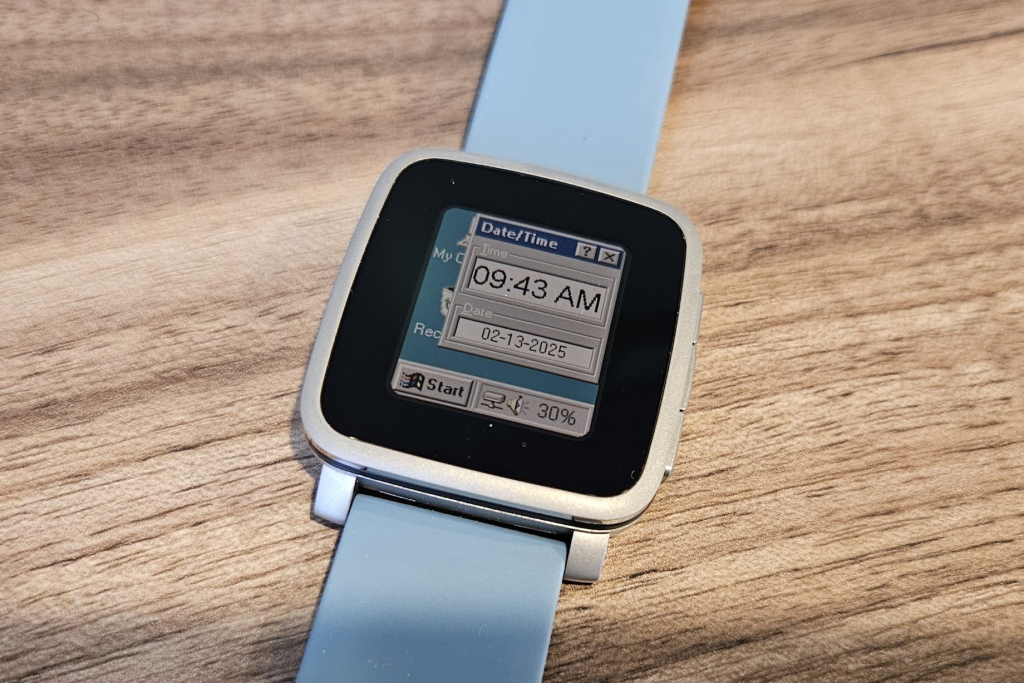
The rebirth of Pebble is radically unambitious (FastCo)
Not every gadget needs an annual release cycle, a steady cadence of software launches, and a change-the-world mindset.
Eric Migicovsky has barely started working on a successor to the Pebble smartwatch, and he’s already talking about being finished with it.
Eight years ago, Migicovsky shut down the smartwatch startup he founded, having sold its software assets to Fitbit, which later became part of Google. But all this time, he and thousands of Pebble die-hards have continued to wear their watches, aided in part by a community that’s kept Pebble’s app store and core services alive. Last month, Migicovsky persuaded Google to make Pebble’s software open source, and now he’s started a company to build new watches. (They won’t be called Pebbles, though, since Google still owns the name.)
– https://www.fastcompany.com/91277089/the-rebirth-of-pebble-is-radically-unambitious?partner=rss&utm_source=rss&utm_medium=feed&utm_campaign=rss+fastcompany&utm_content=rss
-
Backup basics, AppleCare’s hidden traps (Advisorator)
Backing up your data isn’t fun, but it beats the alternative.