This week on TechHive: Streaming device software support, ranked
|
|
Earlier this week, Amazon went where no other streaming device or smart TV maker has gone before.
|
|
The company now guarantees at least four years of security updates for its Fire TV devices, starting from its last available sale date on Amazon’s website. That adds up to at least eight total years of updates for the second-generation Fire TV Stick, seven total years of updates for the Fire TV Stick 4K, and five years for the current Fire TV Stick, which launched in 2020. The guarantee even extends to Fire TV Edition televisions from third-party brands such as Insignia and Toshiba.
|
|
This is a welcome dose of transparency for an industry that otherwise shies away from putting support commitments into writing, and it got me thinking about how long other streaming devices and smart TVs last by comparison. Over at TechHive, I dug into the track records for each major platform and did my best to rank them on software support. Read the full column here.
|
|
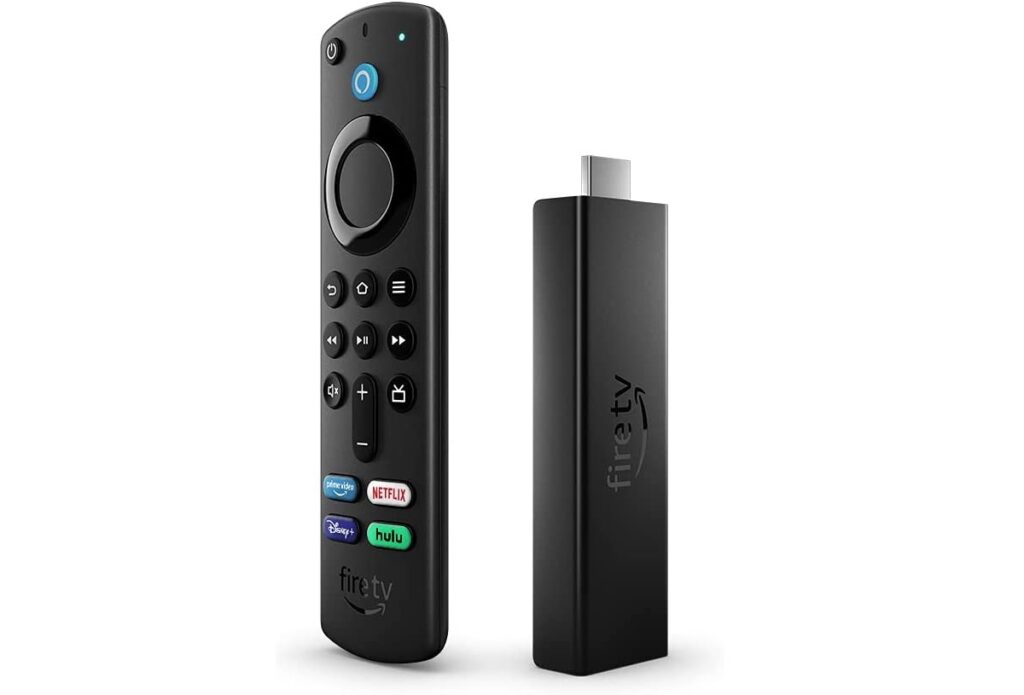
Fire TV Stick 4K Max review: Also on TechHive this week, I reviewed the Fire TV Stick 4K Max, Amazon's new $55 streaming dongle. While it's a lot faster than previous Fire sticks, and it's a great showcase for Alexa voice controls, Amazon's interface is a steady source of frustration. Your master app list is way too hard to reach, and the home screen is overwrought with banner ads, promotional content, and Amazon self-promotion.
|
|
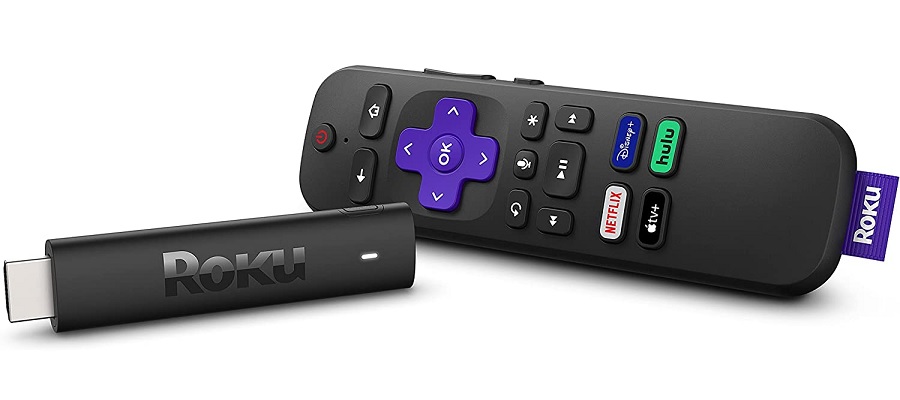
All of which has the effect of making voice control feel like a necessity rather than a bonus feature. Alexa is almost always the most efficient way to navigate, making the Fire TV Stick 4K Max a solid option if you're comfortable leaning on voice. But if you're more inclined to thumb around with the remote, you're better off looking at the Roku Streaming Stick 4K, the Chromecast with Google TV, or even the Walmart Onn UHD box instead.
|
|
Roku nixes private channels: In March, Roku plans to end support for private channels, closing a loophole that allowed porn and other unapproved content to live on the company's platform. While private channels ostensibly existed for app testing purposes, they also quietly functioned as an underground market for unsanctioned apps, with codes users could enter on Roku's website to install them.
|
|
Not all private channels existed just to satisfy prurient interests. VidAngel, a service that censors movies from popular streaming services, relies on a private channel for distribution, presumably due to its past copyright fights with studios, as does the streaming DVR service Stremium. But with Roku planning to launch a beta channel feature that lets developers privately test apps for up to 20 users, it likely sees no need to give those apps shelter anymore.
|
|
A new kind of Roku app: Meanwhile, Roku's taking a small step toward opening up its platform in other ways. The company has launched an "Independent Developer Kit," which lets hobbyists create apps in popular programming languages like C/C++ instead of Roku's own SceneGraph language. Roku says it's doing this in "in the spirit of innovation," hoping to see games, smart home controls, and other interesting new apps emerge.
|
|
Even so, Roku has no plans to distribute those apps in its store—users will instead have to sideload them by enabling a "developer mode" on supported Roku players—so the whole endeavor is clearly experimental in nature. Still, there's a chance it could take Roku's platform in directions it hasn't gone before.
|
|
Chromecast loses a feature: One of Chromecast's neatest features is the ability to control volume via the physical volume buttons on Android phones. Unfortunately, Google has disabled that feature on phones running Android 12 due to a legal issue, presumably of the patent variety. The company is working on a solution for its next Android update, and most Android phones aren't running Android 12 yet anyway, but this does leave Google's latest Pixel phones without a convenient Chromecast feature for now.
|
|
Although it only launched a few weeks ago, the new Roku Streaming Stick 4K is already on sale through Amazon for $29, which is $21 off the regular price. (Other major retailers are selling it for $30.) As I wrote in my review, it's a simple streaming player with lots of useful little features, such as a 10-second replay button, Apple AirPlay support, and private headphone listening through Roku's mobile app. It's the safe choice if you want a streaming player with 4K HDR and Dolby Vision support. (Just make sure you download the YouTube app ASAP, as it may get pulled from Roku's channel store next month.)
|
|
Also, T-Mobile and Sprint postpaid customers can now get a year of Paramount+ for free. If you're already a subscriber, T-Mobile says to revisit its info page on November 9 for details on how to switch.
|
|
A couple caveats, though: The giveaway only applies to the ad-supported version of Paramount+, which no longer includes live streams of your local CBS channel, and you'll be automatically billed after a year unless you cancel. As always, you may be better off relying on the one-month coupon trick I've repeatedly mentioned in this newsletter to get the ad-free plan instead. (The current code is MADAMEX.)
|
|
Got an extra tablet or laptop that you don't know what to do with? In this week's issue of my tech advice newsletter Advisorator, I wrote about the best ways to turn those spare screens into external monitors for your Mac or Windows PC. I also covered some neat new tricks for Safari on iOS, a dead-simple tool for removing unwanted elements from your photos, and a better way to control brightness on your external computer monitors.
|
|
Subscribers get access to all my previous newsletters—including Advisorator and Cord Cutter Weekly—and of course I'll pass along the latest issue by email when you sign up for a free trial. Thanks for checking it out!
|
|
|
If you need more advice on which streaming device to buy, or have other cord cutting questions you'd like me to answer, just send me an email. I'm always happy to hear from you. And if you know anyone who might enjoy Cord Cutter Weekly, please consider sharing the sign-up link.
|
|
|
|

 Jared Newman | November 5, 2021 |